
Yuki Sohma
Yuki Sohma |
|
|---|---|
 |
|
| Series | Fruit Basket |
| Personal Information | |
| Hangul | 草摩 由希 |
| Rōmaji | Sōma Yuki |
| Gender | Male |
| Age | 15 |
| Height | 170.5 cm |
| Hair Color | Light Grey |
| Eye Color | Greyish Purple |
| Zodiac sign | Virgo |
| Occupation | Student |
| Debut | |
| Manga | Chapter 1 |
| Anime | Episode 1 |
| Voice Actor(s) | |
| Japanese | Aya Hisakawa (2001) |
| Nobunaga Shimazaki (2019) | |
| Miyuri Shimabukuro (Young, 2019) | |
| English | Kate Bristol (Young, 2001) |
| Kate Bristol (Young, 2001) | |
| Amanda Lee (Young, 2019) | |
| “ | ” | |
|
Yuki Sohma
|
||
Appearance
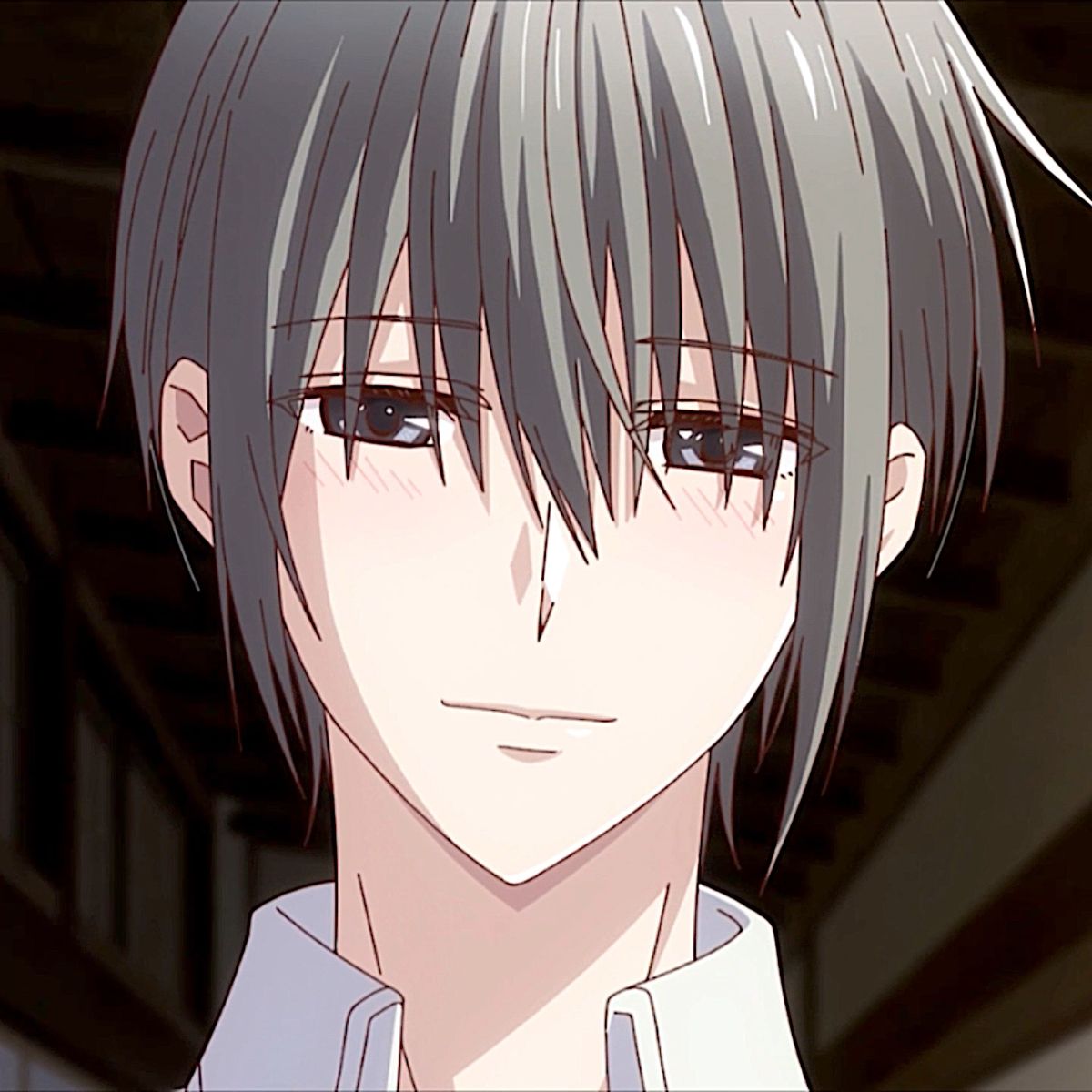
Yuki is a handsome, fair-skinned teenage boy with a slim build and an elegant, prince-like appearance. His refined looks and gentle demeanor make him very popular, though he secretly dislikes being seen as feminine and has a complex about his delicate features.
He has light gray eyes and straight, dark gray hair that falls to his nape, with soft bangs framing his face and a few strands reaching his chin. Several subtle cowlicks give his hair a slightly tousled look.
Yuki typically wears the standard Kaibara High male uniform, a blue sweater (white in summer) with white trim, a collared shirt underneath, and a light-blue necktie. Outside of school, he prefers light colors like blue and white and often wears simple, neat clothing.
Earlier in the series, Yuki favored Chinese-style and fitted outfits, but after becoming student council president and befriending Kakeru, his wardrobe gradually shifts toward looser and more casual styles, reflecting his growing comfort with himself.
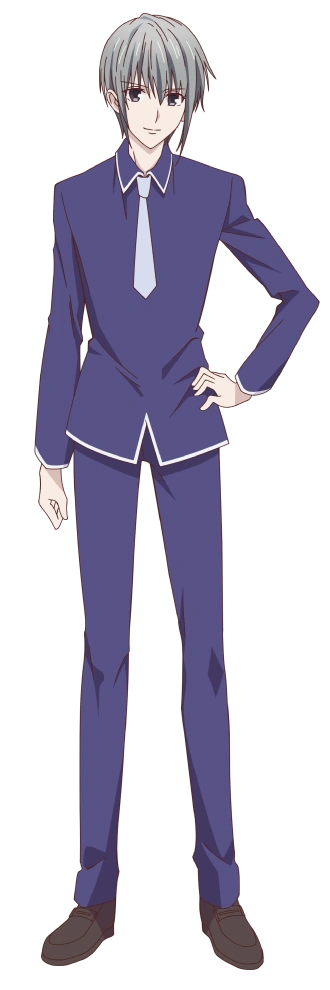
Full Appearance in Anime
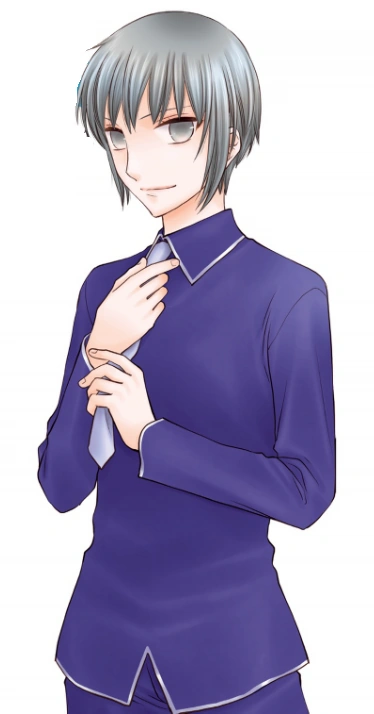
Yuki in Manga
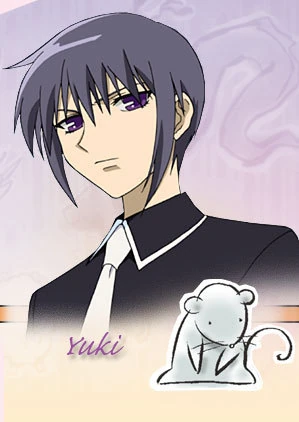
Yuki
Personality
Tohru Honda is an exceptionally kind, gentle, and optimistic girl who always sees the good in others and helps them without expecting anything in return. Despite enduring great loss and hardship, losing both parents and living in a tent, she remains selfless, cheerful, and hardworking. Her nurturing and empathetic nature draws people to her, allowing her to bring comfort and healing to those around her, especially the cursed Sohma family.
Though kind and patient, Tohru hides deep insecurities beneath her smile. She struggles with low self-esteem, a fear of abandonment, and difficulty expressing her true feelings. Her tendency to prioritize others comes from her fear of losing those she loves, especially after her parents’ deaths. To cope, she mimics her late father’s polite speech and clings to her mother’s memory, afraid to let go or move forward.
Over time, Tohru learns to face her trauma and grow stronger. She begins to speak up for herself, accepts help from others, and allows herself to want things for her own happiness. Her love for Kyo gives her courage to challenge fate and work to the Sohma family’s curse. By the end, Tohru becomes more confident and open while remaining the same kind-hearted, selfless girl who always believed in the power of compassion.
History
Tohru Honda was the only child of Kyoko and Katsuya Honda. She shared a happy childhood with her parents until her father died of pneumonia when she was three. During his funeral, relatives accused Kyoko of causing his death and claimed Tohru wasn’t really his child, which left lasting emotional scars on both mother and daughter.
Grieving and lost, Kyoko fell into depression and even attempted suicide, leaving Tohru feeling abandoned. Believing she could win her mother back by becoming like her late father, Tohru began mimicking his polite speech. Kyoko eventually returned home after realizing Tohru still needed her, and from then on, they became deeply close.
Kyoko’s love and wisdom shaped Tohru’s kind and optimistic nature. Tohru adored her mother’s bedtime stories, especially the tale of the Zodiac Cat, for whom she felt deep sympathy, wishing she could have been born in its year.
At school, Tohru was often bullied and excluded, once being called a “rice ball” during the “Fruits Basket” game, symbolizing her feelings of not belonging. Despite this, she remained hopeful and continued to see the best in people.
Etymology
The kanji for his given name, Yuki (由希), combines the characters for “reason” and “hope”.