
Ross Ulbricht
Ross Ulbricht |
|
|---|---|
 |
|
| Born | March 27, 1984 (age 41) |
| Other names | Dread Pirate Roberts, Frosty, Altoid |
| Alma mater | University of Texas at Dallas (BS) |
| Pennsylvania State University (MS) | |
| Occupation | Darknet market operator |
| Known for | Founder of Silk Road |
| Criminal penalty | Life imprisonment without the possibility of parole |
| Criminal status | Pardoned by Donald Trump on January 21, 2025 |
| Spouse | Caroline |
| Website | rossulbricht.com |
Early life
Ross Ulbricht was born and raised in Austin, Texas. He was a Boy Scout and achieved the rank of Eagle Scout. He attended West Ridge Middle School and Westlake High School in the Eanes Independent School District, graduating in 2002.
Ulbricht studied physics at the University of Texas at Dallas on a full academic scholarship and earned his bachelor’s degree in 2006. He later attended Pennsylvania State University, where he completed a master’s degree in materials science and engineering with a focus on crystallography. During his graduate studies, Ulbricht developed an interest in libertarian economic theory, influenced by the ideas of Ludwig von Mises, and supported Ron Paul. He participated in college debates and promoted agorism.
After graduating in 2009, Ulbricht returned to Austin. He attempted day trading and launched a video game company, but both ventures failed. He later partnered with Donny Palmertree to help build an online used bookstore called Good Wagon Books.
Silk Road
After Donny Palmertree relocated to Dallas, Ross Ulbricht continued running the online bookseller Good Wagon Books alone. Around this period, he began planning Silk Road, initially called Underground Brokers. In a personal diary, Ulbricht described his vision for a website where users could buy goods anonymously without leaving a trace. An ex girlfriend later recalled that he chose the name Silk Road in reference to the historic Asian trade network, which he admired for its scale and connectivity.
Ulbricht publicly hinted at the project on LinkedIn, describing it as an economic experiment intended to reduce coercion and aggression through voluntary exchange. Silk Road operated as an onion service on the Tor network, which anonymized user traffic by routing it through encrypted intermediary servers. Hosting the marketplace on Tor concealed the server location, while Bitcoin was used for transactions. Although all Bitcoin transactions were recorded on the public blockchain, users who avoided linking their identities to their wallets were able to transact with relative anonymity.
Ulbricht ran the site under the username Dread Pirate Roberts, though it remains disputed whether he was the only individual to use that account. He later stated that his inspiration came from the novel Alongside Night and the political writings of Samuel Edward Konkin III.
Arrest and trial
Initial arrest
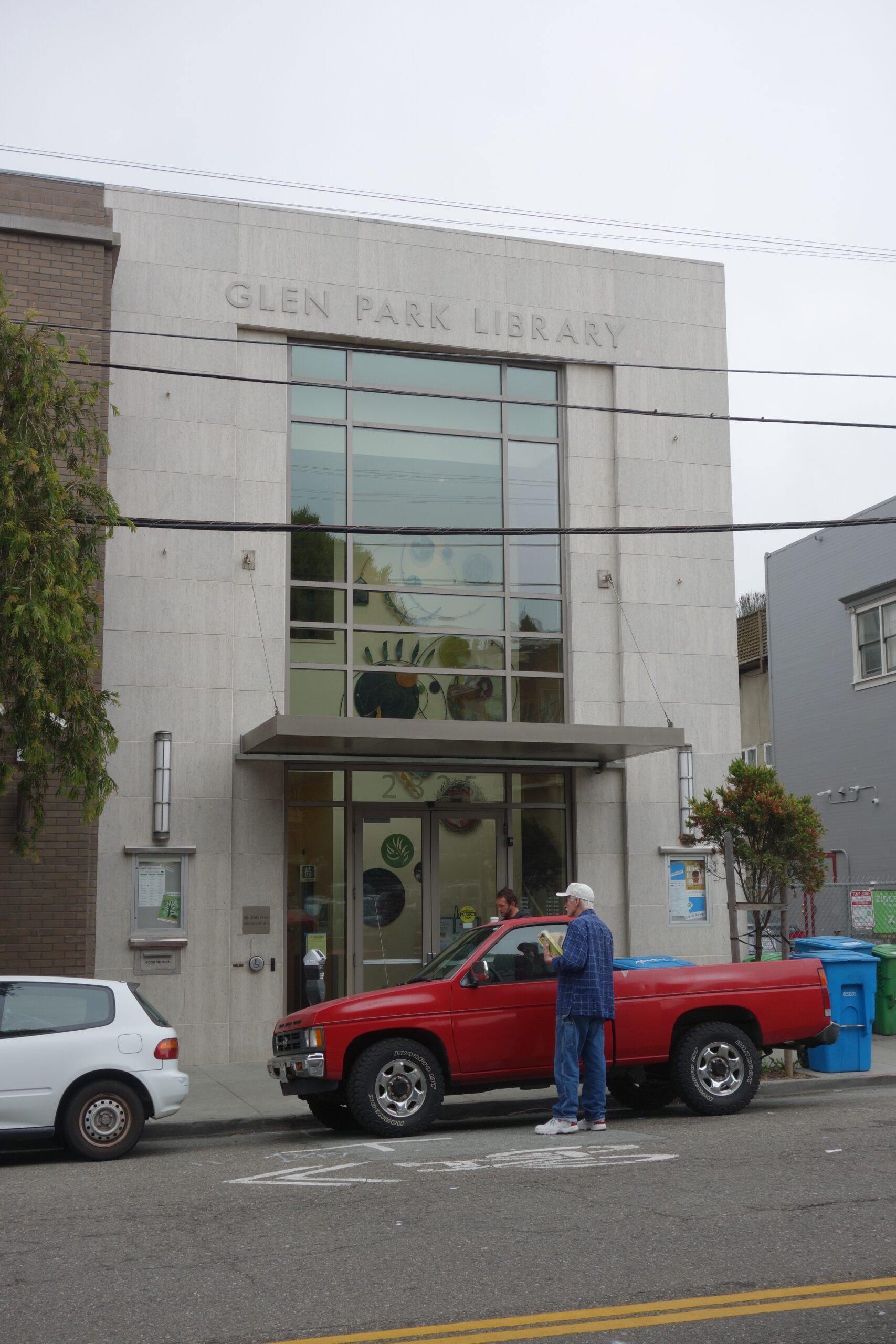
The Glen Park branch of the San Francisco Public Library, where Ross Ulbricht was arrested by the Federal Bureau of Investigation.
Law enforcement uncovered Silk Road through multiple investigative methods. An undercover drug investigator infiltrated the site and eventually became an administrator, gaining access to internal communications that suggested the operator was located in the Pacific time zone. Authorities also seized a Silk Road server located in Iceland.
Ulbricht studied physics at the University of Texas at Dallas on a full academic scholarship and earned his bachelor’s degree in 2006. He later attended Pennsylvania State University, where he completed a master’s degree in materials science and engineering with a focus on crystallography. During his graduate studies, Ulbricht developed an interest in libertarian economic theory, influenced by the ideas of Ludwig von Mises, and supported Ron Paul. He participated in college debates and promoted agorism.
In February 2014, Ulbricht was charged with operating a continuing criminal enterprise, narcotics trafficking conspiracy, money laundering conspiracy, and computer hacking conspiracy. Additional charges were added later that year, and his trial began in January 2015.
Prosecutors alleged that Ulbricht had paid for murder for hire plots against individuals he believed threatened Silk Road, though no killings occurred and he was not charged with murder in the New York case. Evidence related to these allegations was considered during sentencing. A separate Maryland indictment related to one alleged plot was later dismissed.
Conviction, incarceration, and appeals
Ulbricht was convicted on all counts in February 2015. He was sentenced to two life terms plus forty years without parole and ordered to pay approximately 183 million dollars in restitution. After his conviction, two federal agents involved in the investigation were later convicted of corruption related to the case, though this information had not been disclosed at trial.
Ulbricht was incarcerated at multiple federal facilities, including USP Florence High and later USP Tucson. He appealed his conviction and sentence, arguing evidentiary violations and excessive punishment. The United States Court of Appeals for the Second Circuit upheld the conviction and sentence in 2017, and the Supreme Court declined to hear his case in 2018.
Clemency campaign and pardon
Ulbricht’s sentence became a focal point for libertarian activists, cryptocurrency advocates, and prison reform supporters. His mother led the Free Ross campaign, which gained widespread attention and political backing. Several public figures called for clemency, arguing that the sentence was disproportionate.
Silk Road activity led to convictions in other countries. In 2013, an Australian dealer was jailed for importing drugs via Silk Road. A New Zealander received a two-year sentence for methamphetamine purchases, and a Dutch dealer, Cornelis Jan Slomp, was sentenced to 10 years in 2015. In total, over 130 arrests were linked to the marketplace.
Silk Road assets and later activity
In 2021, Ulbricht agreed to relinquish any claim to over fifty thousand Bitcoin seized by the government from a hacker who had stolen the funds from Silk Road years earlier. The Bitcoin was designated to satisfy his restitution obligations. In 2025, Ulbricht also received an anonymous Bitcoin donation, which blockchain analysis suggested likely originated from individuals connected to another defunct darknet marketplace.