
Acca
Acca |
|
|---|---|
 |
|
| Japanese | アカ |
| Rōmaji | Aka |
| Statistics | |
| Gender | Male |
| Height | 185 cm (6′1″) |
| Relatives | Ura-Acca (Partner) Azusa Hoshina (Wife) Himari (Daughter) |
| Debut | |
| Anime | Episode 1 |
| Actors | |
| Japanese | Yūya Uchida |
| English | Brendan Blaber |
Acca (アカ, Aka) is a character in Wonder Egg Priority. Alongside Ura-Acca, he serves as a guide for the four main girls as they navigate the dangers of the Egg World. Though his true intentions remain ambiguous, Acca appears to support the protagonists in their missions to save troubled souls.
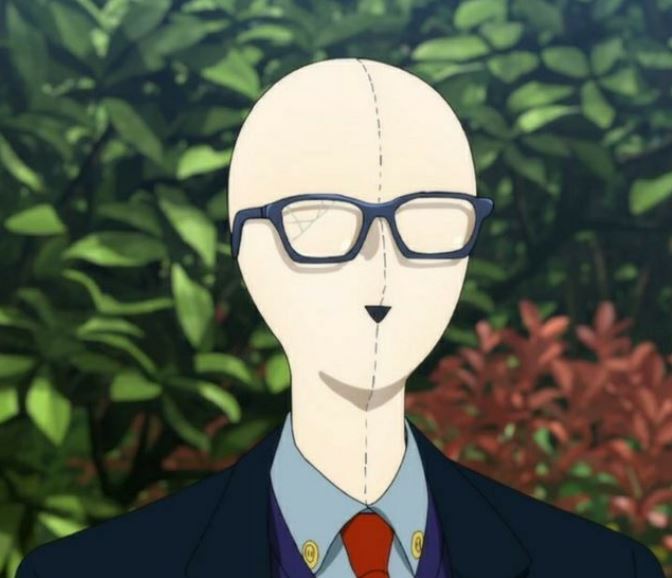
He takes the form of a mannequin with glasses, which gives him an emotionless and unreadable expression. Despite his eerie appearance, Acca’s behavior is consistently soft-spoken and gentlemanly, offering information and support with a composed and polite attitude.
Background
Appearance in Anime
Acca plays a key role in guiding the main protagonists of Wonder Egg Priority through the perilous world of the Egg World. He serves as a vital source of information, explaining the nature of the Egg World, the enemies known as Wonder Killers, and the mission of protecting Wonder Egg Girls. Acca also equips the girls with Pomanders, tools that assist them in their battles.
Like his counterpart Ura-Acca, Acca is only seen within a garden tied to the Egg World, and though he doesn’t physically exist outside of it, he can still communicate with the protagonists in the real world through various means.
Acca and Ura-Acca were once regular humans and co-founders of Japan Plati, a scientific research group. They eventually abandoned their physical bodies, transferring their consciousness into mannequin-like forms that exist solely within the Egg World.
Acca’s past is marked by tragedy. He once had a wife, Azusa Hoshina, and a daughter, Himari. Both were tragically killed by Frill, an artificial intelligence he helped create with Ura-Acca. Though Frill was meant to be terminated, she continued to influence the world, allegedly causing a series of suicides among young girls. In response to this crisis, Acca and Ura-Acca created the Wonder Eggs, a mechanism designed to save these girls and prevent further tragedy.
Appearance
Acca has the form of a mannequin, characterized by his black glasses and a faint, unreadable smile. His physique resembles that of an average adult male, though it remains mostly obscured due to his layered clothing. He wears white gloves and a dark blue jacket adorned with yellow buttons. Beneath the jacket is a purple sweater featuring two yellow stripes and one red stripe. He also wears a white dress shirt with a red tie underneath the sweater. Completing his outfit are green trousers and brown shoes, giving him a distinct yet composed appearance.
Personality
Acca, while mysterious and emotionally unreadable due to his mannequin appearance, shows signs of genuine concern for the protagonists. He offers guidance, warnings, and occasional advice to help them navigate the dangers of the Egg World. His calm, polite speech and formal mannerisms give him a personality that closely resembles that of a composed and caring human, despite his artificial form.
Abilities
Acca possesses the ability to project his voice and communicate with the protagonists through various non-living objects, both in the Egg World and in reality. This includes unconventional mediums such as speakers or even trash bins, as seen in Episodes 5 and 6. He shares this ability with Ura-Acca, and both can also speak through the Pomanders given to the girls.
Additionally, Acca and Ura-Acca can observe the protagonists’ actions both in the Egg World and within their dreams via a large screen that displays events in real time. This constant surveillance allows them to monitor the girls closely and intervene when necessary.
Etymology
Momoe’s given name is written as 桃恵, with 桃 (momo) meaning “peach” and 恵 (e) meaning “favor” or “blessing.” Her name can be interpreted as “peach blessing” or “graceful peach,” evoking softness and gentleness.
Her surname, Sawaki (沢木), combines 沢 (sawa), meaning “marsh” or “swamp,” and 木 (ki), meaning “tree” or “wood.” Together, the name suggests imagery of natural elements, reflecting a quiet strength and resilience.