
A Guide to Dark Web Websites: 10 Onion Sites

What Are Onion Sites and How Do Dark Web Websites Work?
Onion sites, also known as dark web websites, are only accessible through specialized software such as the Tor Browser. They use “.onion” domains, which consist of random strings of letters and numbers up to 56 characters long. These sites do not appear on traditional search engines like Google but may be indexed by dark web search tools such as Torch.
The dark web relies on layered encryption and multi-hop routing to conceal user identities, making onion sites attractive to whistleblowers, journalists, political dissidents, and privacy advocates, as well as cybercriminals. Traffic is routed through multiple non-logging nodes, obscuring its origin and enabling anonymous communication. For additional privacy, some users access Tor alongside a VPN.
Safe dark web links to explore
Below, we list some onion sites you can explore relatively safely. To access them, copy and paste the hyperlinks provided into the Tor browser.
1. The CIA
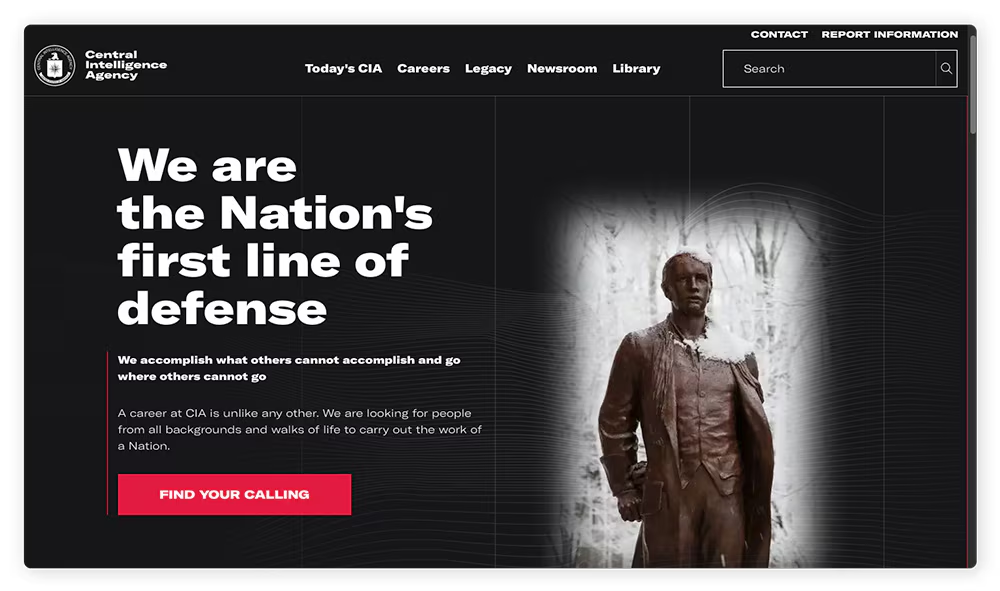
The CIA operates an official .onion site designed to let individuals submit information anonymously. This is especially useful for people living in countries with heavy online surveillance, censorship, or limited press freedom. By maintaining a presence on the dark web, the CIA provides a more secure channel for tip submissions while also monitoring emerging cyber threats and criminal activity within anonymous networks.
2. DuckDuckGo
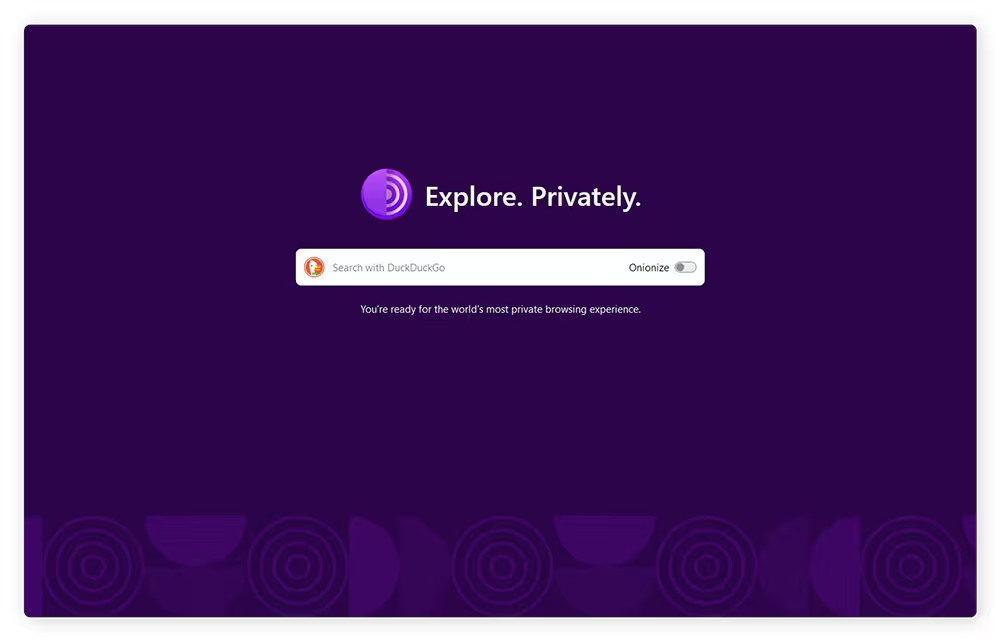
DuckDuckGo serves as the default search engine for the Tor Browser, offering a privacy-focused alternative to Google. It does not track searches or store personal data, making it suitable for users who value anonymity. However, DuckDuckGo does not index onion sites—it only returns results from the surface and deep web, accessed through Tor’s privacy layer.
3. Facebook

Facebook’s onion mirror allows users to access the platform in countries where it is blocked or heavily restricted. This enables communication across digital borders and supports free expression in censored regions. That said, Facebook’s data collection practices conflict with the privacy goals of many dark web users, leading some to limit or abandon their accounts despite the accessibility benefits.
4. The Hidden Wiki
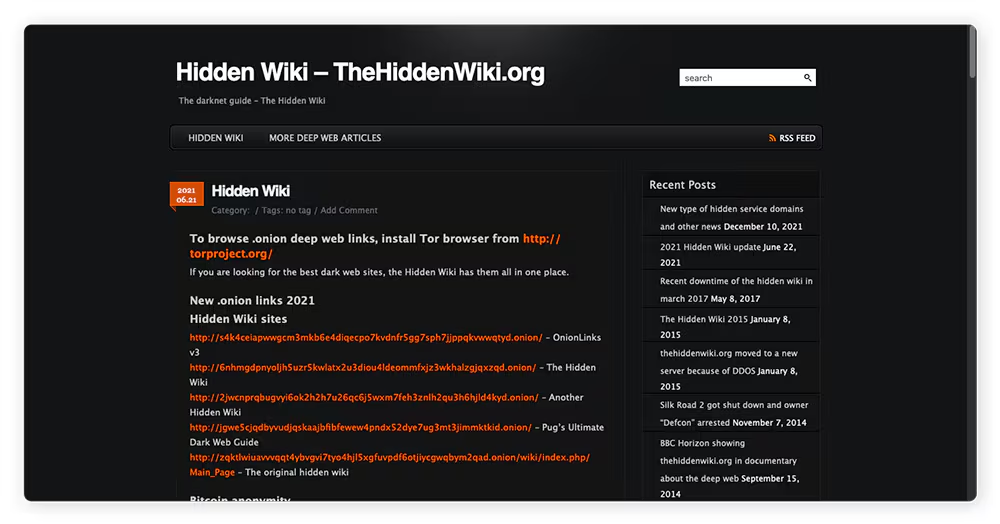
The Hidden Wiki is one of the oldest and most well-known directories on the dark web. It curates links to various onion services, helping users navigate an otherwise difficult-to-map ecosystem. However, some links may lead to unsafe, misleading, or illegal content. Users should exercise caution, avoid suspicious links, and rely on common sense when browsing.
5. ProPublica

ProPublica is a nonprofit investigative news organization focused on exposing corruption and abuses of power. Its onion site ensures that readers in countries with restricted press access can safely read its reporting. Unlike many dark web sites, ProPublica’s Tor presence is considered safe and legitimate, offering journalism rather than illicit content. Other major outlets, such as the BBC, also maintain onion sites for similar reasons.
6. Proton Mail

Proton Mail operates an onion site that allows users to access encrypted email services anonymously. The platform features end-to-end encryption, zero-access architecture, and minimal data collection, making it popular among privacy advocates. However, users should still practice good security hygiene, including strong passwords and two-factor authentication, as encryption alone does not protect against phishing or social engineering attacks.
7. SecureDrop
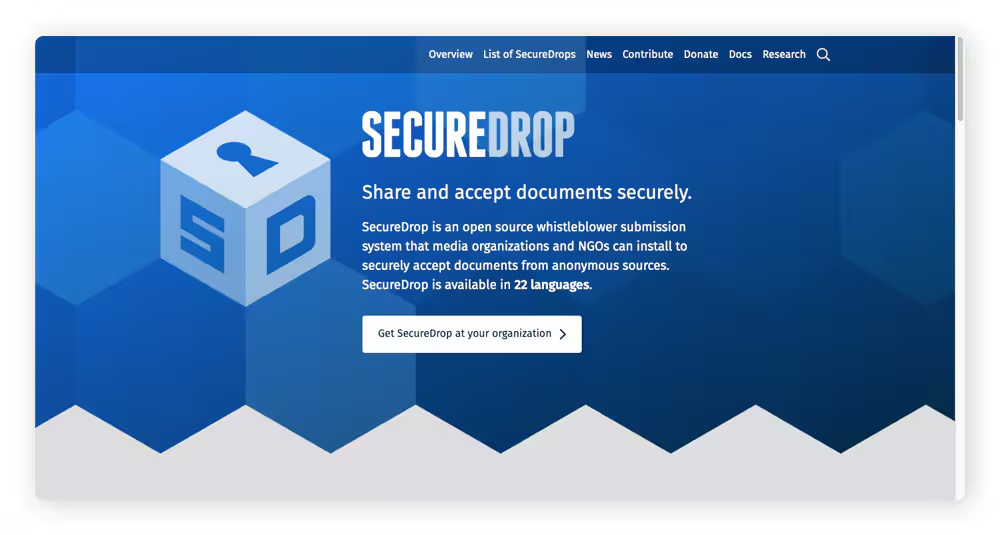
SecureDrop is an open-source platform designed for secure file sharing between whistleblowers and journalists. Many major media organizations—including The New York Times, The Guardian, and The Economist—host SecureDrop onion sites to allow sources to submit sensitive information anonymously. While extremely secure, it is intended for high-risk communications and is unnecessary for everyday file sharing.
8. Riseup
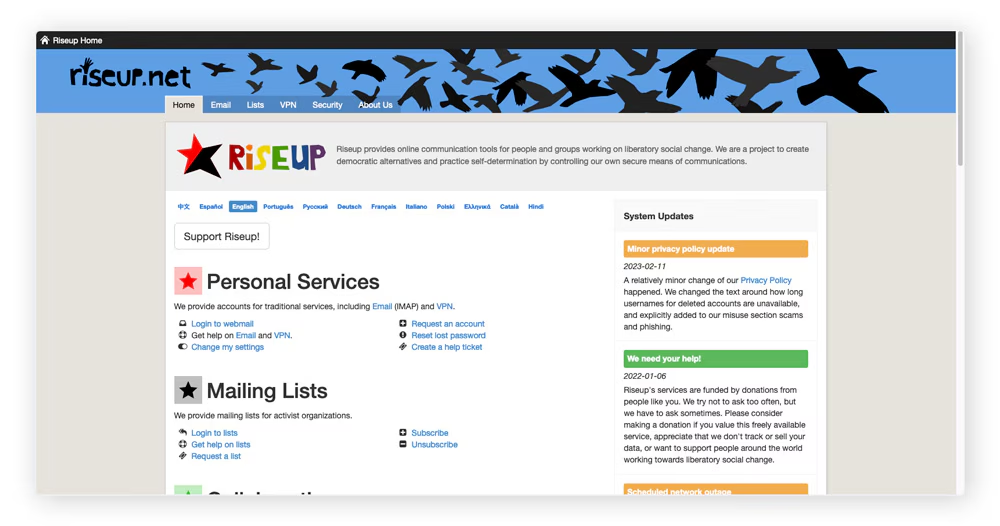
Riseup is a volunteer-run collective that provides encrypted email, chat, and collaboration tools. It is commonly used by activists, journalists, and social justice groups who prioritize privacy and digital security. The Riseup onion site helps users communicate anonymously, especially in environments where surveillance or repression is a concern.
9. Tor Metrics
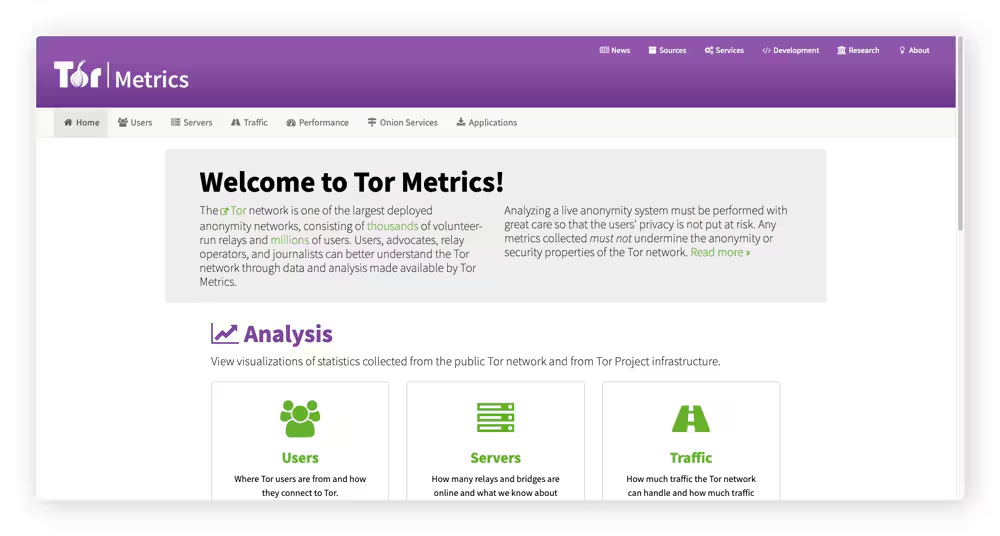
Tor Metrics is not an onion site itself, but it provides valuable insight into how the Tor network is used globally. It tracks anonymized data such as user counts by region and network health metrics. These statistics help researchers and privacy advocates understand patterns of censorship, surveillance, and the demand for anonymous internet access.
10. Torch
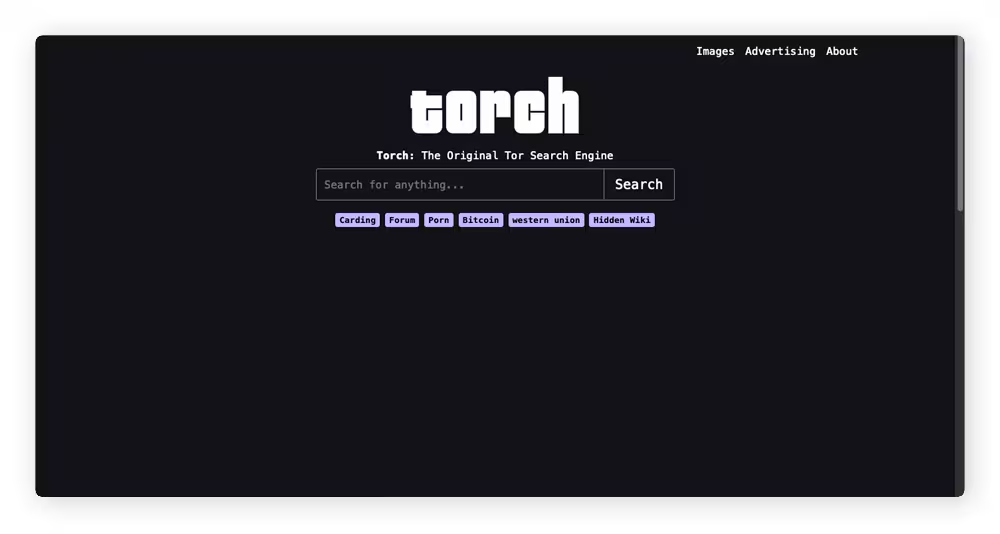
Torch is one of the longest-running search engines on the dark web. Unlike DuckDuckGo, it indexes onion sites and allows users to discover hidden services that are not accessible via the surface web. While useful, Torch can expose users to scams, malicious sites, or illegal content, so caution and security awareness are essential when browsing search results.