
Tohru Honda
Tohru Honda |
|
|---|---|
 |
|
| Series | Fruit Basket |
| Personal Information | |
| Hangul | 本田 透 |
| Gender | Female |
| Age | 15 |
| Height | 156.7 cm |
| Hair Color | Brown |
| Eye Color | Brown |
| Zodiac sign | Taurus |
| Occupation | Student |
| Debut | |
| Manga | Chapter 1 |
| Anime | Episode 1 |
| Voice Actor(s) | |
| Japanese | Hiroko Konishi (Drama CD) |
| Yui Horie (2001) | |
| Manaka Iwami (2019) | |
| English | Laura Bailey |
| “ | ” | |
|
― Tohru Honda
|
||
Appearance
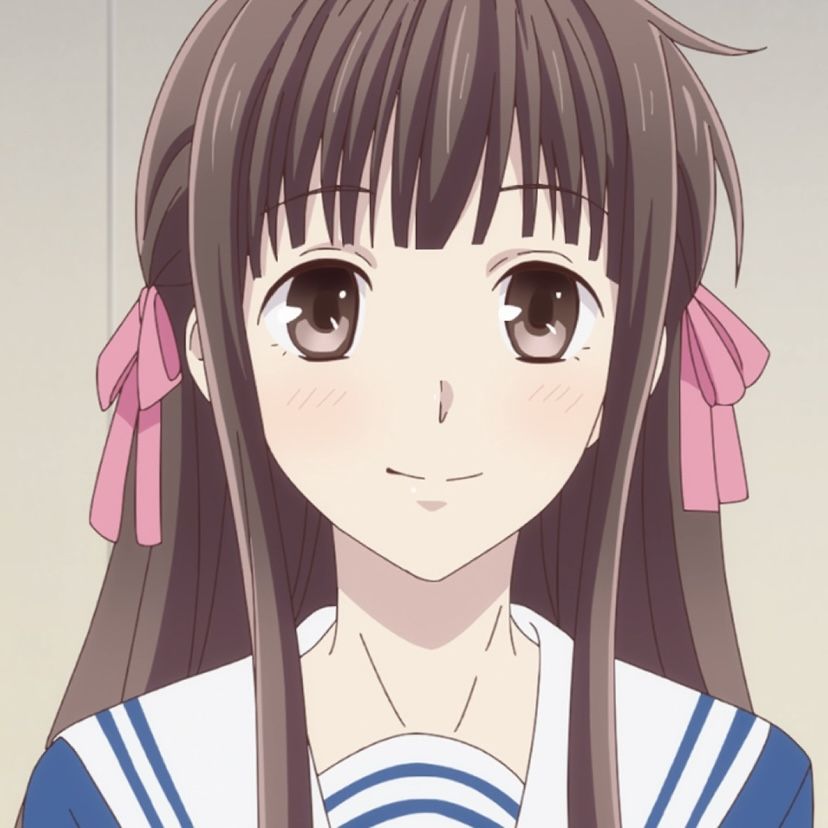
Tohru is a fair-skinned, slim girl of average height with straight, mid-back-length brown hair and large, round brown eyes framed by long lashes. Though considered plain, her gentle personality and inner warmth make her naturally charming.
She often wears bows in her hair, usually pink or yellow, sometimes blue or purple, either a large one at the back or two smaller ones on the sides. Outside school, she varies her hairstyle, wearing it loose, in ponytails, pigtails, or braids, sometimes with other simple accessories.
Her school uniform is a classic blue and white sailor outfit with a pleated skirt, navy socks, and brown slip-on shoes. Off-duty, she prefers simple dresses or skirts. For her janitor job, she wears a light blue shirt and pants, white gloves, and a bandana over her pigtails. Her swimsuit is a baby pink one-piece with daisy designs. She rarely dresses up unless encouraged by others, such as when Ayame or Mine dress her in a large ballgown for her role as the “not so evil stepsister” in the school play Cinderella-ish.
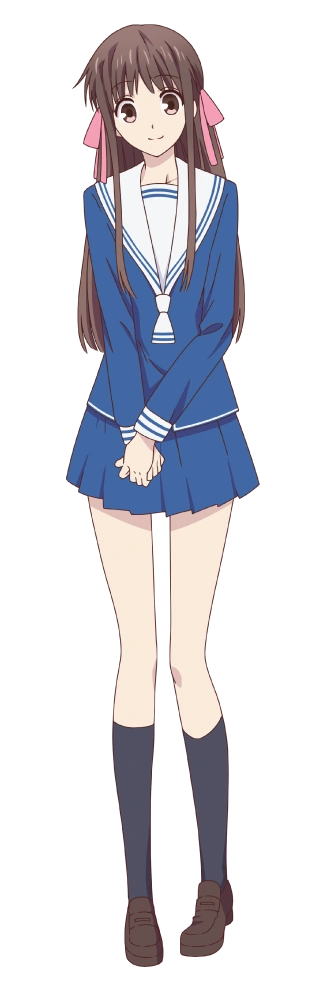
Full Appearance in Anime
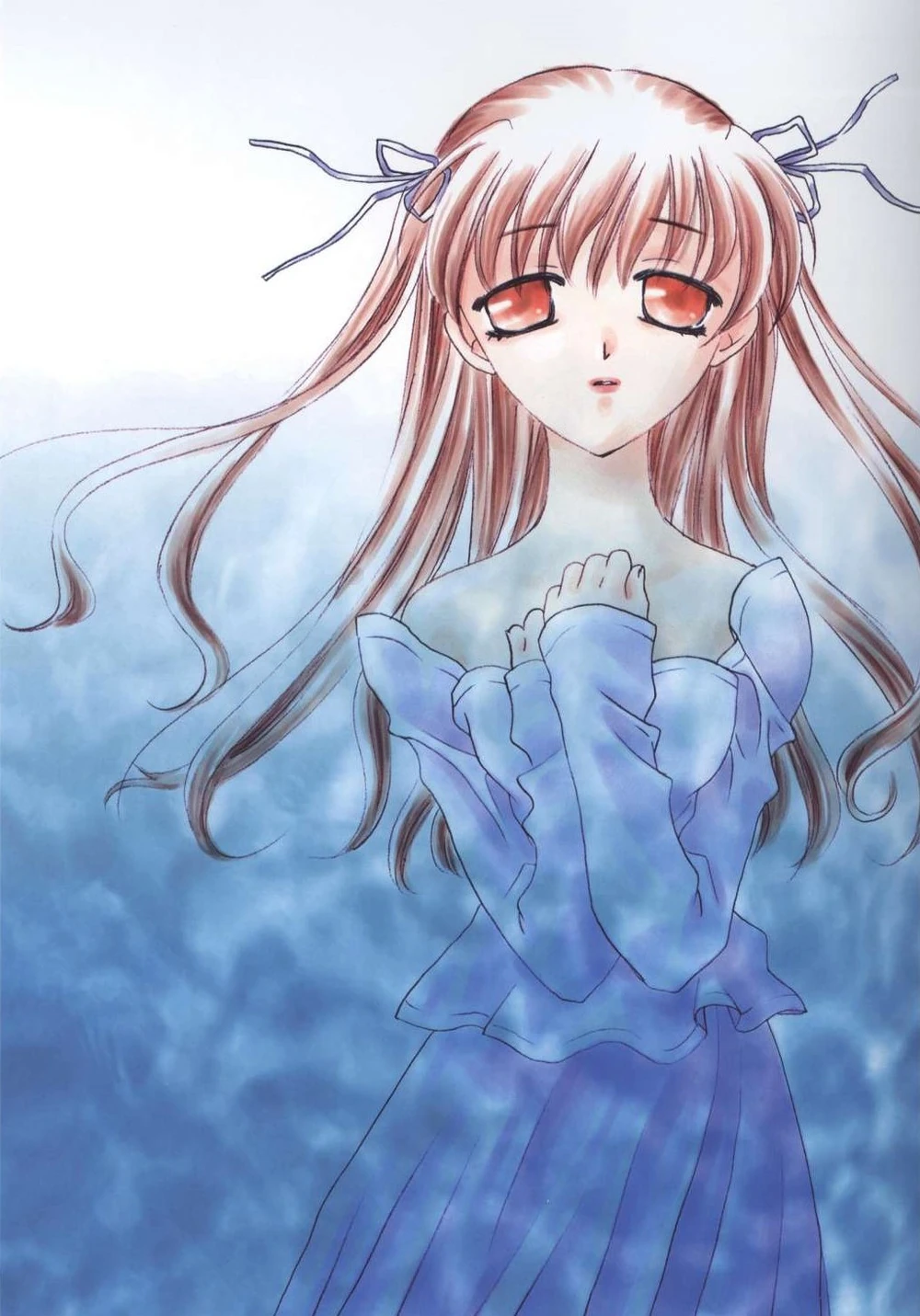
Minami in Manga
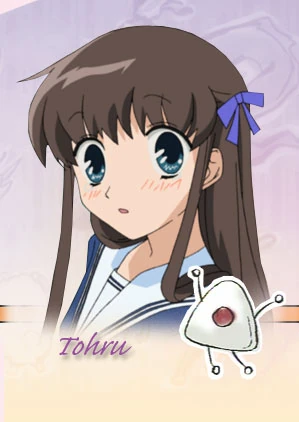
Minami
Personality
Tohru Honda is an exceptionally kind, gentle, and optimistic girl who always sees the good in others and helps them without expecting anything in return. Despite enduring great loss and hardship, losing both parents and living in a tent, she remains selfless, cheerful, and hardworking. Her nurturing and empathetic nature draws people to her, allowing her to bring comfort and healing to those around her, especially the cursed Sohma family.
Though kind and patient, Tohru hides deep insecurities beneath her smile. She struggles with low self-esteem, a fear of abandonment, and difficulty expressing her true feelings. Her tendency to prioritize others comes from her fear of losing those she loves, especially after her parents’ deaths. To cope, she mimics her late father’s polite speech and clings to her mother’s memory, afraid to let go or move forward.
Over time, Tohru learns to face her trauma and grow stronger. She begins to speak up for herself, accepts help from others, and allows herself to want things for her own happiness. Her love for Kyo gives her courage to challenge fate and work to the Sohma family’s curse. By the end, Tohru becomes more confident and open while remaining the same kind-hearted, selfless girl who always believed in the power of compassion.
History
Tohru Honda was the only child of Kyoko and Katsuya Honda. She shared a happy childhood with her parents until her father died of pneumonia when she was three. During his funeral, relatives accused Kyoko of causing his death and claimed Tohru wasn’t really his child, which left lasting emotional scars on both mother and daughter.
Grieving and lost, Kyoko fell into depression and even attempted suicide, leaving Tohru feeling abandoned. Believing she could win her mother back by becoming like her late father, Tohru began mimicking his polite speech. Kyoko eventually returned home after realizing Tohru still needed her, and from then on, they became deeply close.
Kyoko’s love and wisdom shaped Tohru’s kind and optimistic nature. Tohru adored her mother’s bedtime stories, especially the tale of the Zodiac Cat, for whom she felt deep sympathy, wishing she could have been born in its year.
At school, Tohru was often bullied and excluded, once being called a “rice ball” during the “Fruits Basket” game, symbolizing her feelings of not belonging. Despite this, she remained hopeful and continued to see the best in people.
Etymology
- The nameTohrumeans “transparent” 透 (Toru). this notes in how she sees the best in every person
- 本田Honda(Hondo) means “root ricefield” or “origin ricefield”, 本多 “root/origin many” or 誉田 “honor ricefield”).